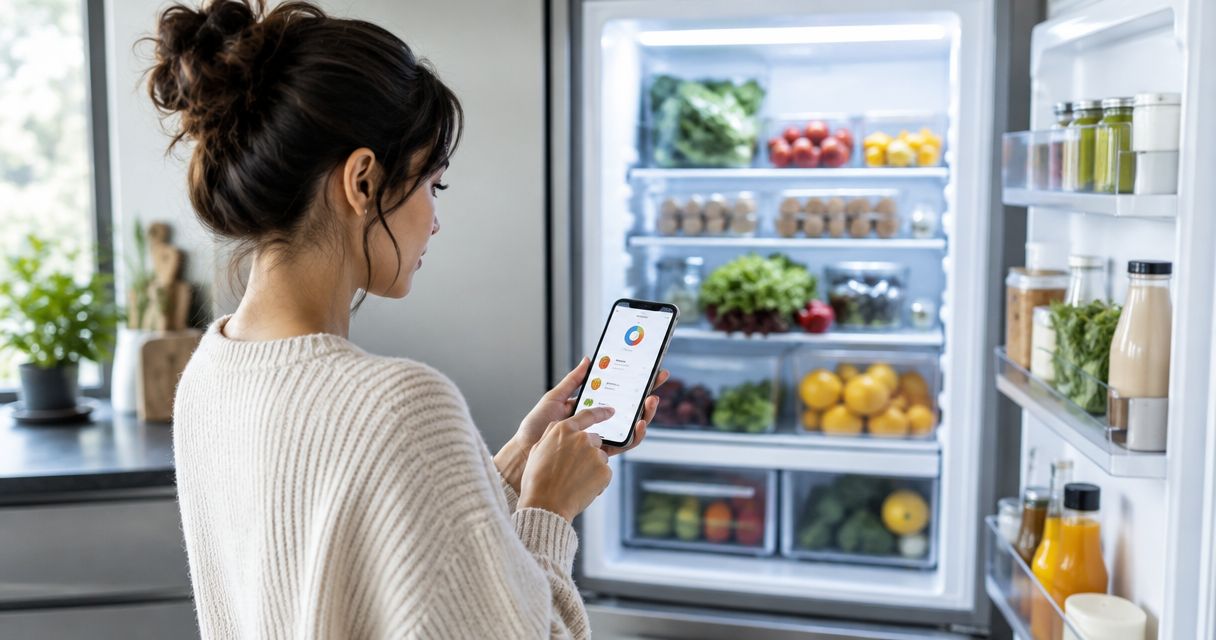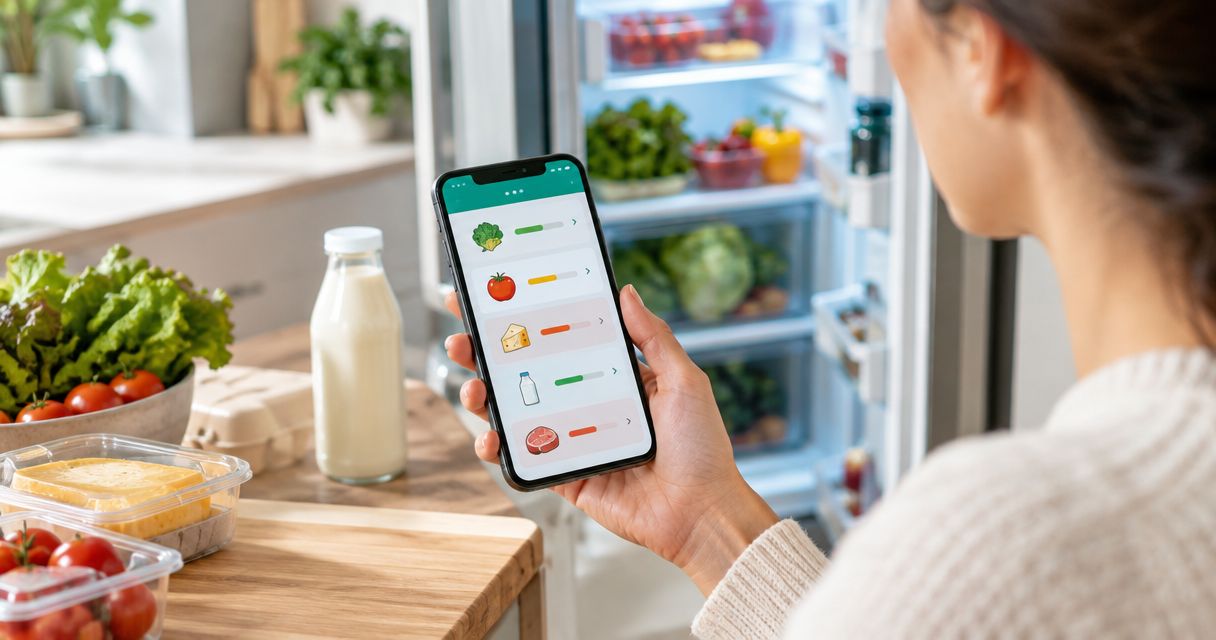
Best overall for household fridge tracking: Savera. Best for inventory-first organisation: NoWaste. Best for ingredient-led meal planning: KitchenPal. This 2026 guide also covers OLIO for sharing unwanted food and Too Good To Go for rescuing surplus food—different jobs, not interchangeable tracking apps.
- Savera leads these best food waste tracking apps for families wanting fridge tracking, expiry alerts, and leftover recipes.
- Choose NoWaste for food inventory management or KitchenPal for ingredient-led meal planning.
- OLIO helps you share surplus food; Too Good To Go helps you rescue surplus from businesses.
- Choose around your household’s recurring waste problem, not the longest feature list.
Why this matters
A food app only helps when it addresses the reason your food gets wasted. Forgetting a yoghurt at the back of the fridge needs a different fix from buying vegetables without a dinner plan.
Start with the food you already own. If you need reminders, choose a tracker. If you have edible food you will not use, sharing is a separate task. Buying surplus food elsewhere does not organise the milk already sitting in your fridge.
The best choice is the app that changes your next kitchen decision. For this 2026 comparison, that means distinguishing household tracking from meal planning, sharing, and surplus shopping before ranking anything.
What makes the best food waste tracking apps?
Use these criteria to choose an app that fits your kitchen rather than adding another chore:
- Inventory visibility: You need a usable record of what you own, not just another shopping list.
- Expiry awareness: Reminders should help you decide what needs attention before you plan another meal.
- A clear next action: A recipe, an inventory update, or a sharing listing should move food towards being used.
- Manageable upkeep: Choose an interaction style you will keep using after the first enthusiastic cupboard audit.
- The right job: Tracking household groceries, sharing food, and rescuing business surplus solve different problems.
Do not confuse a longer feature list with a better fit. A household that forgets leftovers needs a clear use-soon habit; someone with spare garden produce needs a way to find another eater.
Food waste apps at a glance
The order below prioritises using groceries already in your home. The final options address surplus outside a conventional fridge-tracking workflow.
| App | Best for | Standout function | Key limitation |
|---|---|---|---|
| Savera | Conversation-led household tracking | Chat-first fridge tracking, expiry alerts, and leftover recipes | Your grocery record still needs to reflect what you use |
| NoWaste | Inventory-first organisation | Food inventories and expiry-date management | Recording food does not decide what you will cook |
| KitchenPal | Ingredient-led meal planning | Pantry management connected with recipes and shopping lists | Recipe planning still needs an accurate ingredient record |
| OLIO | Sharing food you will not use | Local food-sharing listings | Sharing is not a household expiry-tracking system |
| Too Good To Go | Rescuing surplus from businesses | Surplus-food offers from participating businesses | Rescuing food does not track groceries already at home |
The distinction matters before you install anything. If your main problem is forgotten food, start with a household tracker rather than a surplus marketplace.
1. Savera: best food waste tracking app for chat-first households
Savera tracks groceries in your fridge, alerts your household before food expires, and suggests recipes using leftovers. Its chat-first approach suits EU home cooks and families who prefer conversation to a separate inventory-management routine.
Best for: Households that want fridge tracking, expiry reminders, and leftover ideas in the same assistant.
The appeal is the connection between remembering and cooking. Knowing that you have chicken breast is useful; turning your attention towards ingredients that need using gives that knowledge a purpose.
Pros:
- Combines fridge tracking with expiry alerts.
- Suggests recipes using leftovers rather than treating them as an afterthought.
- Uses a chat-first interaction style.
- Is aimed at EU home cooks and families reducing household food waste.
Cons:
- A useful inventory still depends on recording changes as groceries enter and leave your kitchen.
- Recipe suggestions do not replace checking food labels, storage conditions, and suitability for your household.
Choose this approach if you want help answering a familiar evening question: what can you make with what needs using? Do not treat any assistant as a substitute for knowing whether food has been stored safely.
Verdict: Buy into this approach for a household reminder-and-recipe routine.
2. NoWaste: best food waste tracking app for inventory-first users
NoWaste focuses on food inventory management and expiry dates. It fits a kitchen where the first problem is losing track of what is in storage, rather than needing another source of dinner inspiration.
Best for: People who want a structured record of their food.
An inventory-first approach gives you a reference before shopping or cooking. Its usefulness depends on keeping that reference close to reality: an empty carton should not remain on your list.
Pros:
- Centres the experience on the food you already own.
- Supports expiry-date organisation.
- Gives inventory-minded users a defined place to manage their food record.
Cons:
- Inventory maintenance remains part of the routine.
- A well-organised list does not, by itself, turn ingredients into dinner.
NoWaste makes sense if you like checking a food list before making decisions. If maintaining lists is the task you repeatedly abandon, choose your interaction style carefully rather than assuming a new app will change that preference.
Verdict: Buy into this approach if structured inventory is your priority.
3. KitchenPal: best food waste app for ingredient-led meal planning
KitchenPal connects pantry management with recipes and shopping lists. It suits cooks who want their ingredient record to inform meal choices rather than sit separately from them.
Best for: Home cooks who start meal planning with ingredients they already have.
The useful question here is not simply what sounds good for dinner. It is what you can cook without overlooking the vegetables, jars, and other ingredients already waiting at home.
Pros:
- Connects ingredient management with recipe discovery.
- Includes shopping-list functionality alongside pantry organisation.
- Supports a cooking-led approach to using existing food.
Cons:
- Ingredient-based suggestions depend on an accurate pantry record.
- A recipe match does not establish that an ingredient is still safe to eat.
KitchenPal fits a planning problem more directly than a sharing problem. Choose it when your recurring difficulty is connecting ingredients with meals, not finding someone else to take surplus food.
Verdict: Buy into this approach for pantry-led meal planning.
4. OLIO: best food waste app for sharing unwanted food
OLIO supports local food sharing. Its role in this list is different: it helps you pass food on rather than manage it until you eat it yourself.
Best for: People with food they will not use who want to offer it locally.
Think of an unopened ingredient you bought for a recipe you no longer plan to cook. Another household using it is a different outcome from adding another reminder to your own fridge list.
Pros:
- Gives surplus food a route to another household.
- Addresses food you do not intend to cook yourself.
- Makes sharing a practical alternative to keeping unwanted food indefinitely.
Cons:
- A sharing listing does not replace a household food inventory.
- Passing food on requires coordination with another person.
OLIO is a useful companion to a tracker when your plan changes and food genuinely needs another home. It is not the first choice for remembering which ingredients you have or deciding what to cook tonight.
Verdict: Buy into this approach for sharing; skip it as your main tracker.
5. Too Good To Go: best food waste app for business surplus rescue
Too Good To Go connects consumers with surplus food from participating businesses. It addresses food waste outside your own kitchen rather than providing a record of your household groceries.
Best for: People whose goal is rescuing surplus food from food businesses.
That is a legitimate food-waste activity, but it is not fridge management. For a household trying to use existing ingredients, bringing home more food must fit the meals already planned.
Pros:
- Provides a route for consumers to rescue business surplus.
- Addresses a different source of food waste from household leftovers.
- Gives surplus rescue its own dedicated workflow.
Cons:
- It does not replace a household inventory-and-expiry routine.
- Rescued food still needs a place in your own meal plan.
Choose Too Good To Go when surplus rescue is your actual goal. If the parsley in your fridge keeps becoming a small science project, solve that household problem separately.
Verdict: Buy into this approach for surplus rescue; skip it for fridge tracking.
How these apps are ranked
This 2026 ranking puts household food tracking first because that is the task in the search query. Inventory visibility, expiry awareness, a useful next action, and manageable upkeep determine the order—not a claim that every app performs the same job.
The first options address groceries you own. The later options address redistribution and rescue. Keeping those categories separate prevents a popular food-waste app from becoming the wrong answer to your particular kitchen problem.
Make your chosen app useful this week
Give your app a small, repeatable job before adding your entire kitchen. You want a routine you can maintain, not a beautifully organised record that stops matching the fridge.
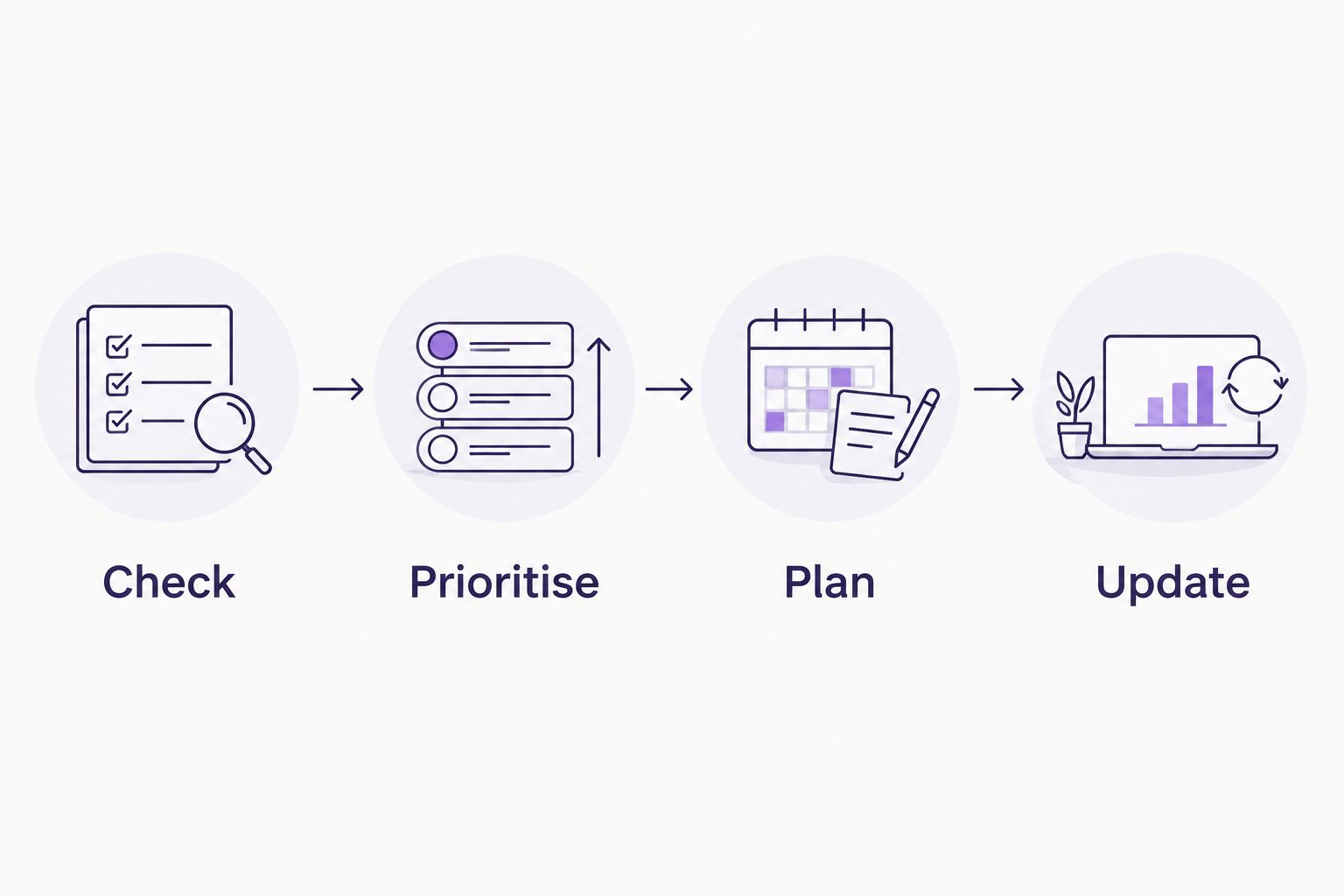
- Check: Start with a 2-minute fridge check. Record the ingredients you genuinely need help remembering.
- Prioritise: Set aside 1 shelf area for food that needs attention, while keeping safe storage requirements first.
- Plan: Choose your next 3 meals around suitable ingredients you already have.
- Update: Record what you use, freeze, share, or discard so the next decision starts from an accurate list.
Those are suggested starting points, not promised savings or performance targets. If your routine needs simplifying, track the foods you forget most often before expanding to every cupboard.
Which food waste tracking app should you choose?
Choose Savera for a chat-first household routine that connects fridge tracking, expiry alerts, and leftover recipes. Choose NoWaste when structured inventory is your starting point, or KitchenPal when meal planning is the main decision you need help making.
For 2026, keep the category boundary clear: OLIO is the sharing choice, while Too Good To Go is the business-surplus choice. Neither replaces the job of remembering and using your existing groceries.
Before committing to a routine, pick one recurring problem and make it the deciding criterion. Forgotten dairy, unused vegetables, and surplus you cannot eat call for different next actions.
FAQ
What's the best food waste tracking app for families?
Savera is the best fit in this guide for families wanting chat-first fridge tracking, expiry alerts, and leftover recipes. Choose around the routine your household will actually maintain.
Is NoWaste or KitchenPal better for tracking food?
NoWaste is the inventory-first choice in this guide, while KitchenPal suits ingredient-led meal planning. Decide whether your main problem is remembering your food or choosing meals from it.
Does Too Good To Go track the food in my fridge?
Too Good To Go is a business-surplus rescue app, not a replacement for household fridge tracking. Use a household inventory routine for groceries you already own.
Is OLIO a food waste tracker?
OLIO is primarily a local sharing option in this comparison, rather than a household expiry tracker. It fits food you want to pass on instead of cook yourself.
Do I need to record every ingredient straight away?
Start with the ingredients you most often forget rather than recording your entire kitchen immediately. Expand the list once updating it becomes part of cooking and shopping.
Can an expiry reminder tell me whether food is safe?
An expiry reminder cannot establish whether food is safe to eat. Follow the product label and storage instructions, and distinguish safety-related use-by dates from quality-related best-before dates.
How do I choose a food waste app in 2026?
Choose a food waste app by matching it to tracking, meal planning, sharing, or surplus rescue. For household tracking, prioritise an accurate food record and a clear action when ingredients need attention.
One last thing
Before adding another recipe, check whether you have recorded the food you already used. An app cannot help you plan around an accurate fridge if yesterday's dinner is still listed as tomorrow's ingredients.
Make updating the record part of finishing the meal. That small habit keeps the next reminder useful—and stops an empty milk carton from making a convincing digital comeback.